Beaches
Our safaris
North Tanzania
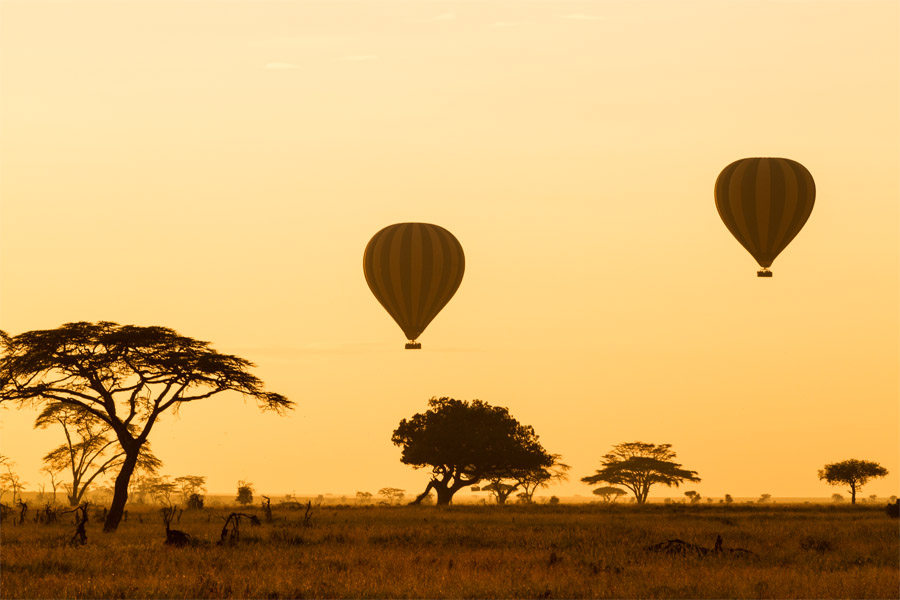
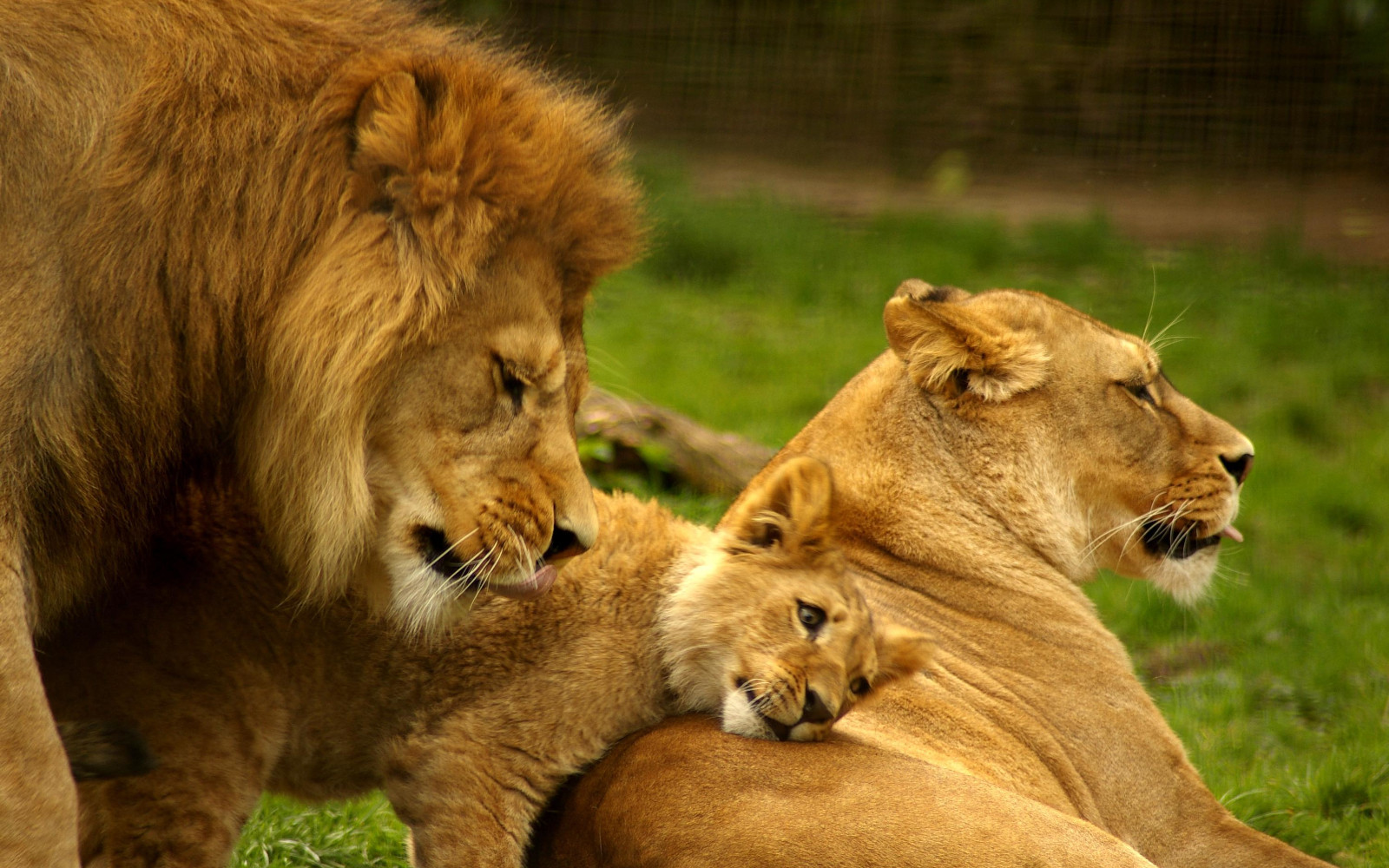
Safari in North Tanzania means tour through different national parks, to discover wildlife and millennial cultures. Try not to get fascinated by amazing sunsets and endless prairies. Experience the thrill of a close encounter with the Big Fives and much more Discover it with us!
Everything stars from Arusha
Arusha is a city in north eastern Tanzania and the capital of the Arusha Region. Located below Mount Meru, the city is close to the most important Tanzanian parks, Serengeti National Park, Ngorongoro Conservation Area, Lake Manyara National Park, Olduvai Gorge, Tarangire National Park, Mount Kilimanjaro and Mount Meru in the Arusha National Park and is thus considered the safari capital of the world.
Tarangine National Park
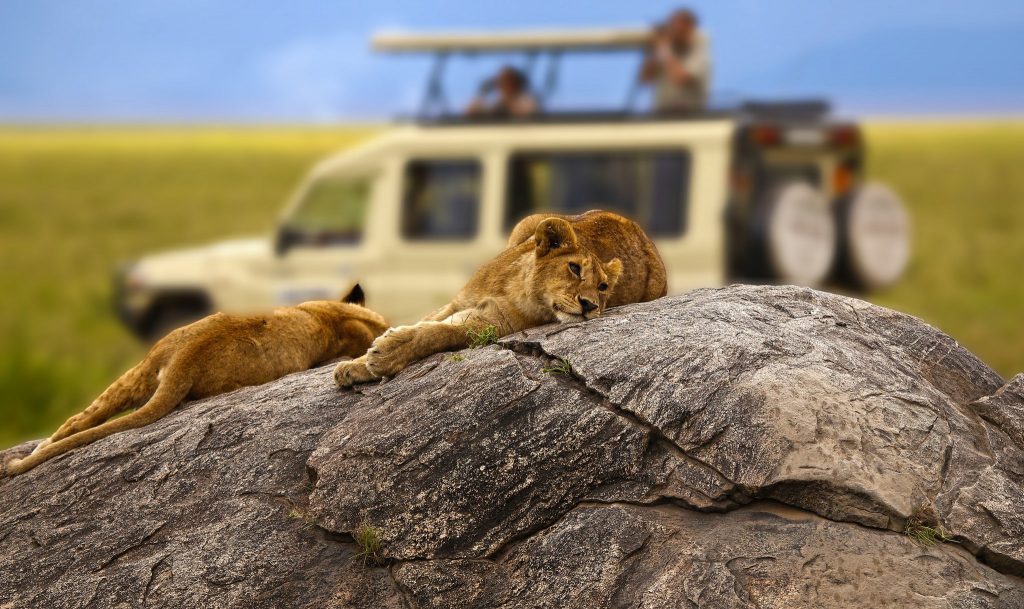
Tarangire National Park is a national park in Tanzania's Manyara Region. The name of the park originates from the Tarangire River that crosses the park. The Tarangire River is the primary source of fresh water for wild animals in the Tarangire Ecosystem during the annual dry season.
The Tarangire Ecosystem is defined by the long-distance migration of wildebeest and zebras. During the dry season thousands of animals concentrate in Tarangire National Park from the surrounding wet-season dispersal and calving areas.
Maweninga Camp
Perched on the top of an imposing granite rock, this camp has the privilege of being within the Tarangire National Park, overlooking Lake Manyara and Burunge.
The picturesque backdrop on the horizon are the volcanoes of the Ngorongoro Conservation Area such as the Ngorongoro Crater, Oldeani or Lemagrut ... Built to the highest eco-friendly standards, Maweninga has a particularly low-carbon footprint.
Saadani
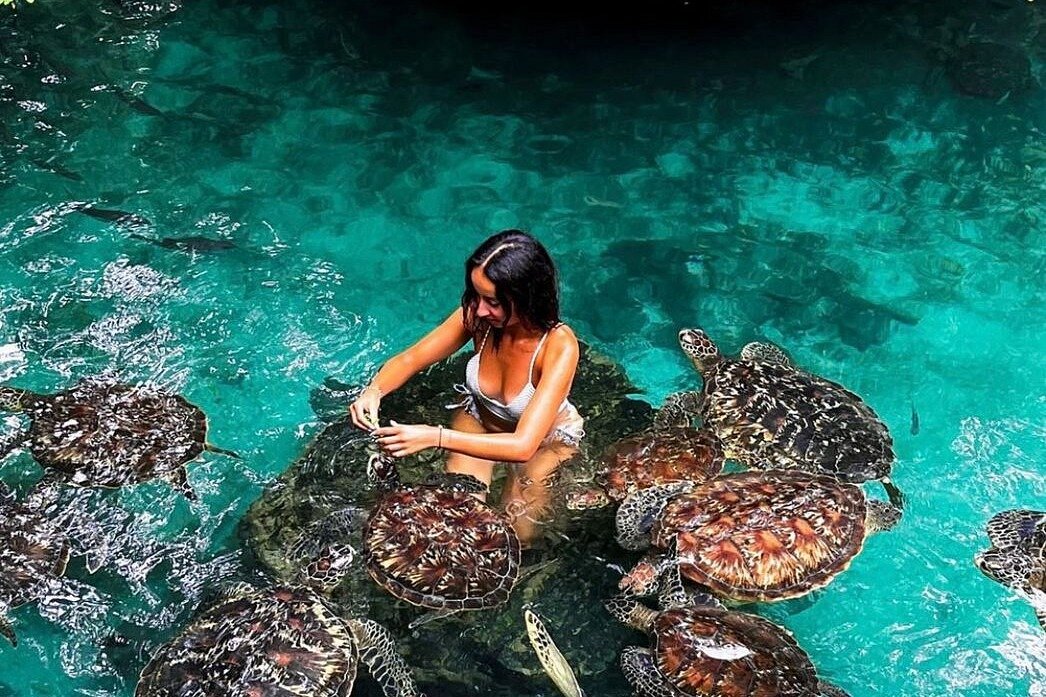
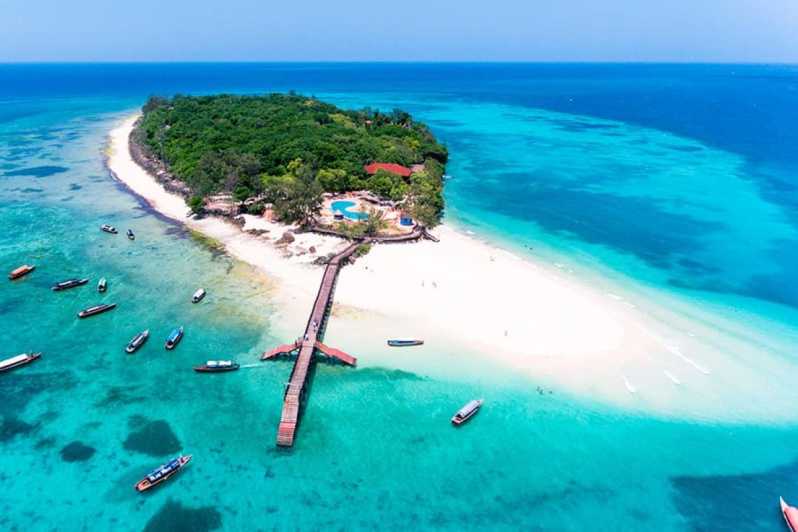
Saadani is where the beach meets the bush. The only wildlife sanctuary in East Africa to boast for an Indian Ocean beachfront, it as well possesses all the attributes that make Tanzania’s tropical coastline and islands very popular with European sun-worshipers. Yet it is also the one place where those idle hours of sunbathing might be interrupted by an elephant strolling past, or a lion coming to drink at the nearby waterhole!
Saadani National Park
Located in the centre of the historic triangle of Bagamoyo, Pangani and Zanzibar, Saadani National Park is the only wildlife sanctuary in Tanzania bordering the ocean. Unlike as in other national parks in Tanzania, here visitors can combine a safari with a relaxing beach stay.
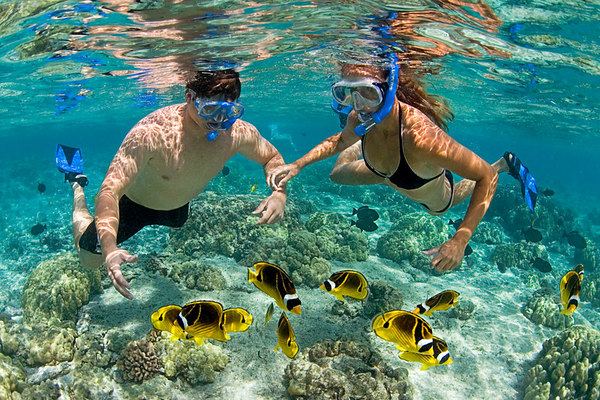
Game viewing varies throughout the year and the area is known for sightings of porcupines, civets, bush pigs, baboons and vervet monkeys. On the open sea, you might be able to spot many species of fish, dolphins, turtles and humpback whales. Key wildlife include hippos, crocodiles, lions, buffalo, elephant, giraffe, zebra, dolphins, Zanzibar galago, blue monkey, yellow baboon, hyena, leopard, civet and sable antelope.
Serengeti National Park
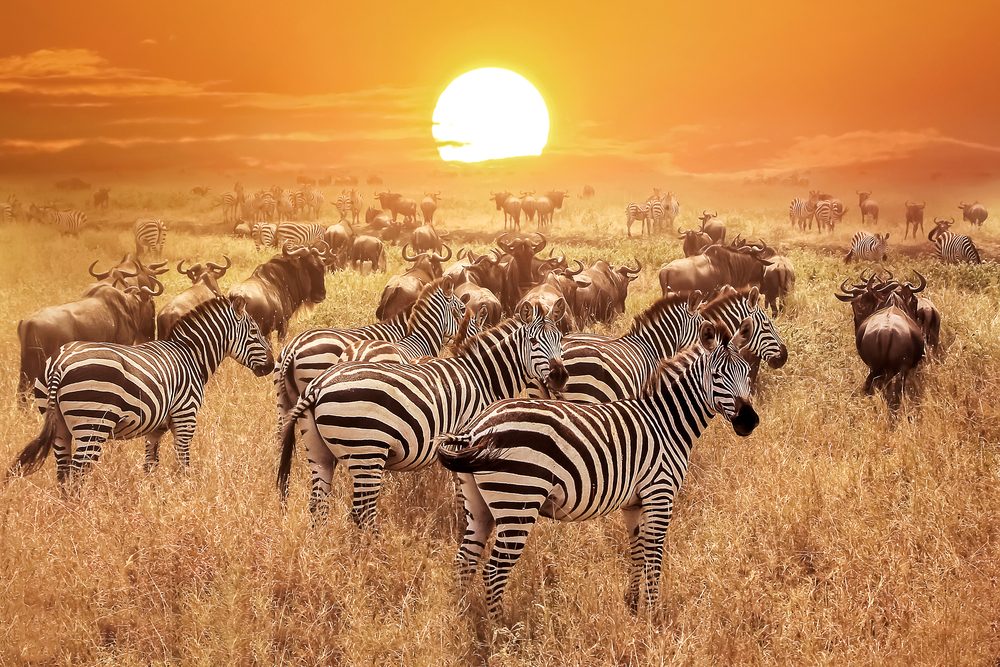
It is no secret that the great annual wildebeest migration in Tanzania's Serengeti National Park is among the most spectacular safari experiences out there. The sheer number of animals (over a million wildebeest, not to mention thousands of zebras and large numbers of other animals), the beauty and vastness of the land, the abundance of predators and predator-prey interaction, all combine to make the Serengeti arguably the top safari destination in the world.
The Great Migration is a seasonal affair but there are also areas such as the central Seronera area which are great for game viewing all year round and have plenty of resident wildlife. The Serengeti is Tanzania's flagship national park and one of the best safari destinations in the world. A minimum of three nights is recommended to make the most of the Serengeti, and the ideal would be to stay six nights, in two different areas of the park.